

Flat Panel Designer Radiators
A flat panel radiator is the quiet one — a smooth, uninterrupted face that sits close to the wall and lets the rest of the room do the talking. If your taste runs to clean lines and minimal surfaces, this is the style that fits without ever competing for attention.
Our flat panel range spans both vertical and horizontal designs, in anthracite and white, across single and double panel builds. Every one is made from 1.6mm mild steel, backed by a 30-year warranty, and delivered free anywhere in the UK.
21
designs
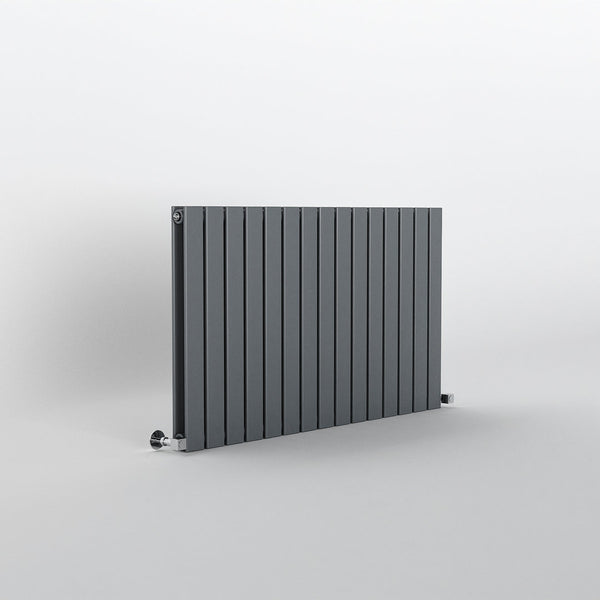
Anthracite Flat Panel Horizontal Designer Radiator 600 x 1020mm (Double Panel)
Price From:
£148.02
£286.99
Save £138.97
inc. VAT
Available in1
Size
VIEW DETAILS
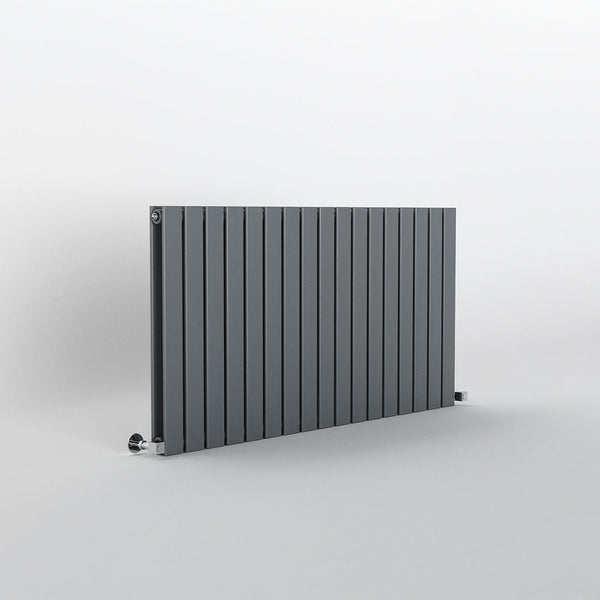
Anthracite Flat Panel Horizontal Designer Radiator 600 x 1156mm (Double Panel)
Price From:
£156.35
£299.59
Save £143.24
inc. VAT
Available in1
Size
VIEW DETAILS
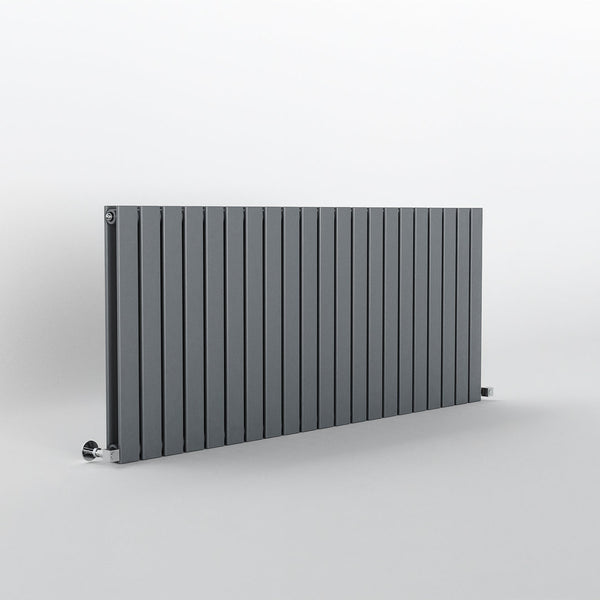
Anthracite Flat Panel Horizontal Designer Radiator 600 x 1428mm (Double Panel)
Price From:
£173.09
£324.79
Save £151.70
inc. VAT
Available in1
Size
VIEW DETAILS
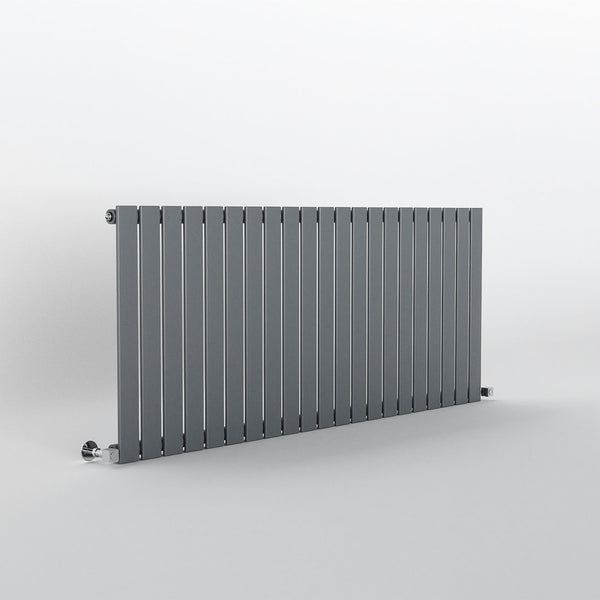
Anthracite Flat Panel Horizontal Designer Radiator 600 x 1428mm (Single Panel)
Price From:
£135.86
£267.39
Save £131.53
inc. VAT
Available in1
Size
VIEW DETAILS
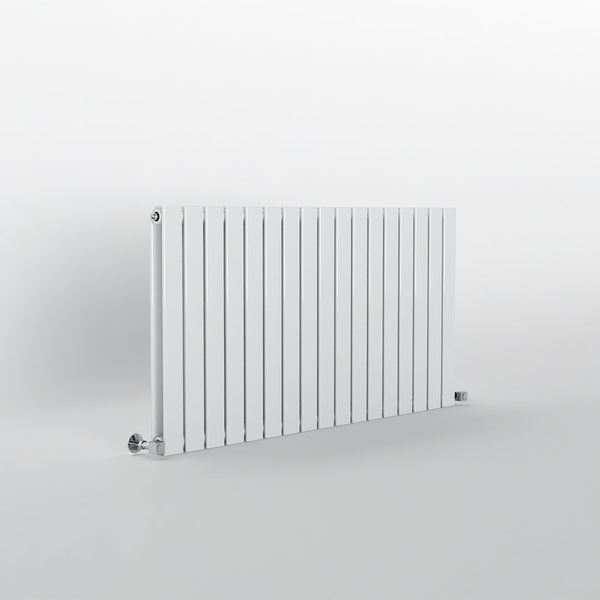
White Flat Panel Horizontal Designer Radiator 600 x 1156mm (Double Panel)
Price From:
£156.35
£299.59
Save £143.24
inc. VAT
Available in1
Size
VIEW DETAILS
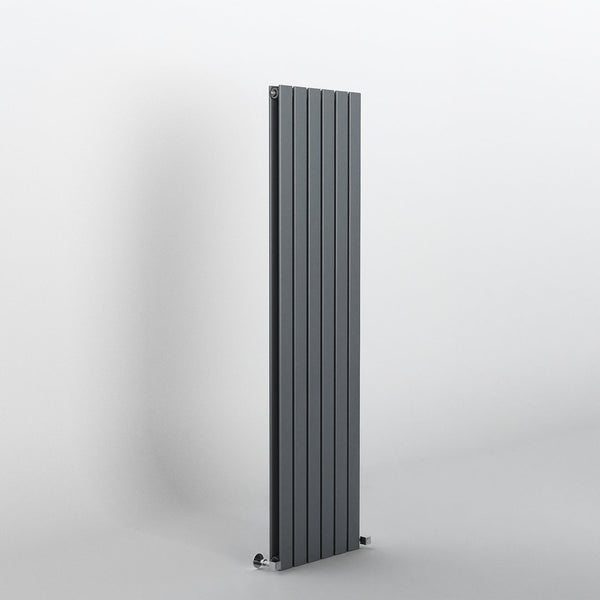
Anthracite Flat Panel Vertical Designer Radiator 1600 x 408mm (Double Panel)
Price From:
£138.44
£271.59
Save £133.15
inc. VAT
Available in1
Size
VIEW DETAILS
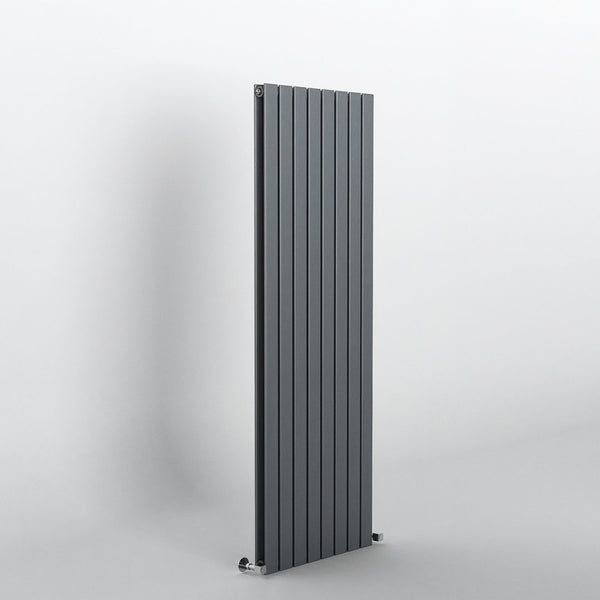
Anthracite Flat Panel Vertical Designer Radiator 1600 x 544mm (Double Panel)
Price From:
£157.47
£300.99
Save £143.52
inc. VAT
Available in1
Size
VIEW DETAILS
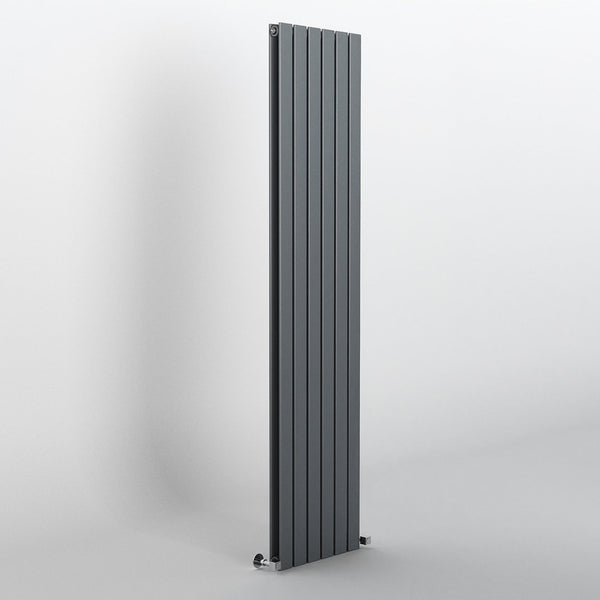
Anthracite Flat Panel Vertical Designer Radiator 1800 x 408mm (Double Panel)
Price From:
£143.36
£278.59
Save £135.23
inc. VAT
Available in1
Size
VIEW DETAILS
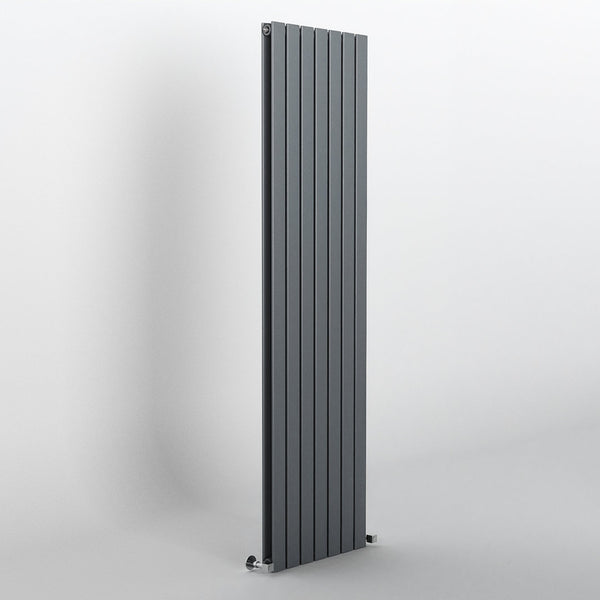
Anthracite Flat Panel Vertical Designer Radiator 1800 x 476mm (Double Panel)
Price From:
£152.79
£293.99
Save £141.20
inc. VAT
Available in1
Size
VIEW DETAILS
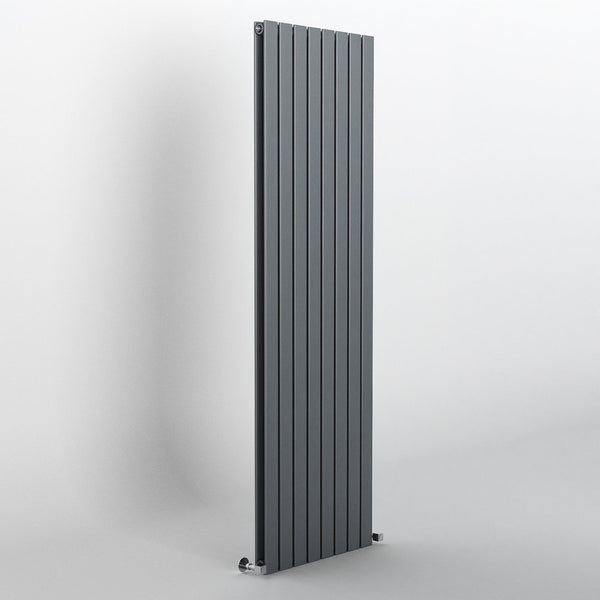
Anthracite Flat Panel Vertical Designer Radiator 1800 x 544mm (Double Panel)
Price From:
£162.27
£307.99
Save £145.72
inc. VAT
Available in1
Size
VIEW DETAILS
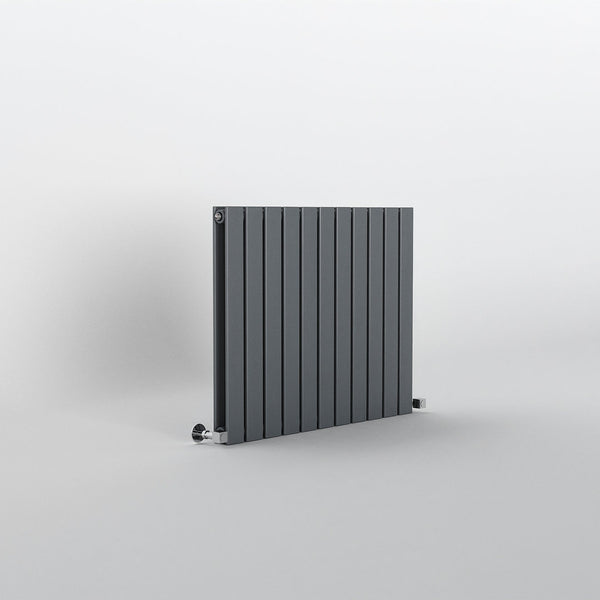
Anthracite Flat Panel Horizontal Designer Radiator 600 x 748mm (Double Panel)
Price From:
£131.26
£260.39
Save £129.13
inc. VAT
Available in1
Size
VIEW DETAILS
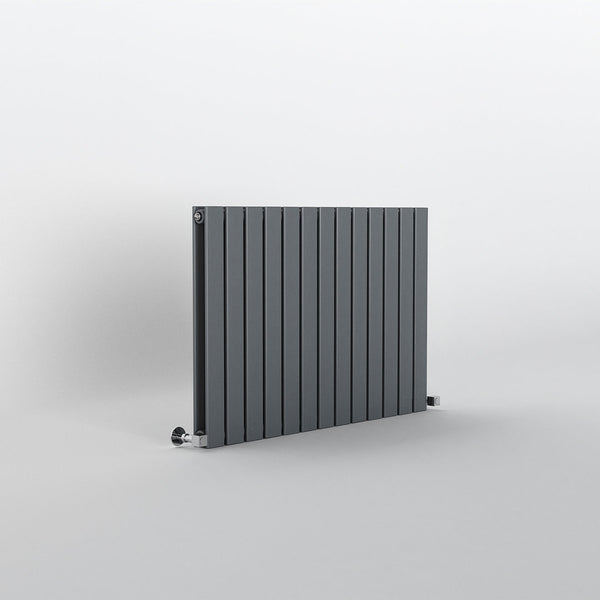
Anthracite Flat Panel Horizontal Designer Radiator 600 x 884mm (Double Panel)
Price From:
£139.62
£272.99
Save £133.37
inc. VAT
Available in1
Size
VIEW DETAILS
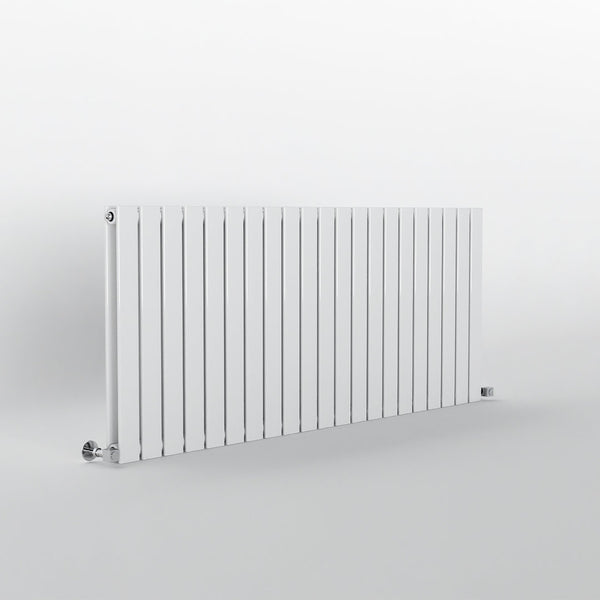
White Flat Panel Horizontal Designer Radiator 600 x 1428mm (Double Panel)
Price From:
£173.09
£324.79
Save £151.70
inc. VAT
Available in1
Size
VIEW DETAILS
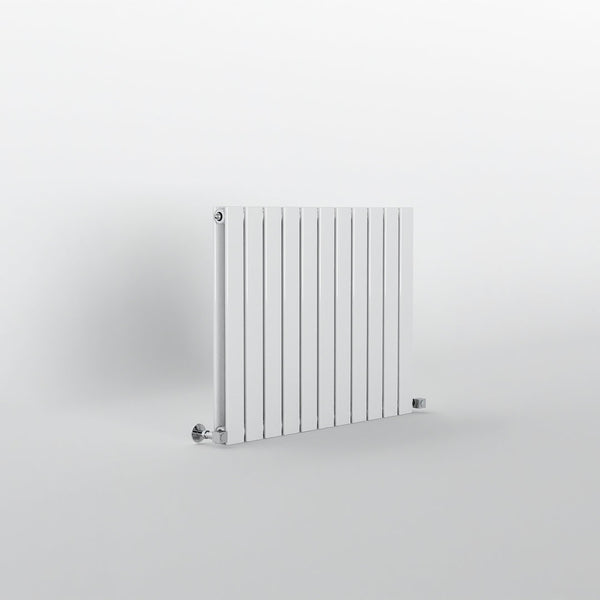
White Flat Panel Horizontal Designer Radiator 600 x 748mm (Double Panel)
Price From:
£131.26
£260.39
Save £129.13
inc. VAT
Available in1
Size
VIEW DETAILS
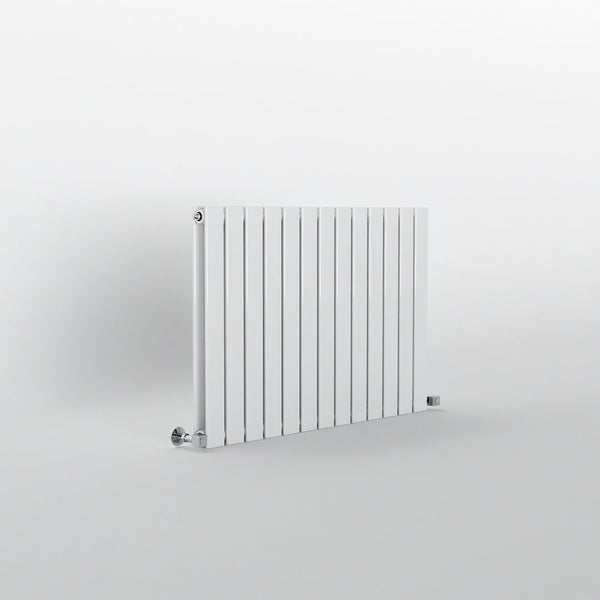
White Flat Panel Horizontal Designer Radiator 600 x 884mm (Double Panel)
Price From:
£139.62
£272.99
Save £133.37
inc. VAT
Available in1
Size
VIEW DETAILS
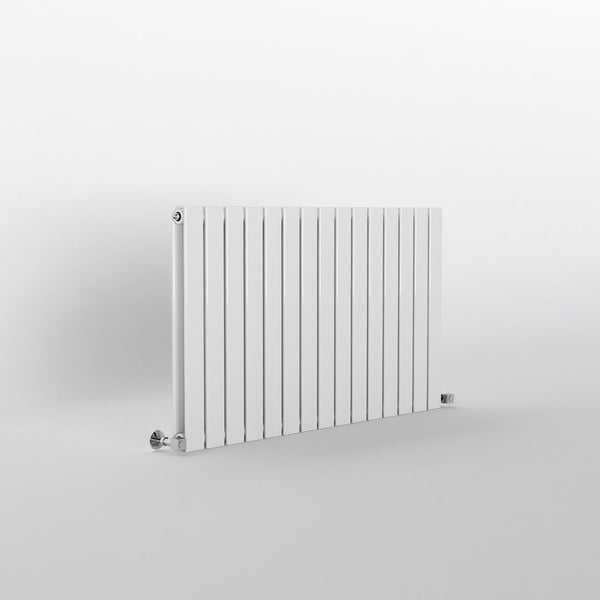
White Flat Panel Horizontal Designer Radiator 600 x 1020mm (Double Panel)
Price From:
£148.02
£286.99
Save £138.97
inc. VAT
Available in1
Size
VIEW DETAILS