Why Choose a Vertical Radiator?
Space is the usual reason, but it isn't the only one.
The obvious win is wall width. An 1800mm tall radiator at 408mm wide takes up less than half the wall a comparable horizontal needs — which means the sofa, the sideboard or the worktop can go where the radiator used to be. In a narrow hallway or a galley kitchen, it's often the only option that works at all.
The less obvious win is that a tall radiator reads as a deliberate choice rather than a necessary evil. Turned upright, with a clean finish, it stops being the thing you apologise for and starts being part of the room.
The Myth Worth Killing
People assume vertical radiators heat less well than horizontal ones. They don't.
Heat output is determined by surface area and panel construction — not by which way up the radiator sits. A correctly sized double-panel vertical will warm a room exactly as well as a horizontal radiator of equivalent output. The orientation changes the footprint, not the physics. Where the two genuinely differ is fitting: a horizontal at the standard 600mm height usually swaps straight into existing pipework, whereas going vertical often means the pipes need adjusting. Routine work for a plumber, but worth knowing before you order.
Height and Width: What Actually Matters
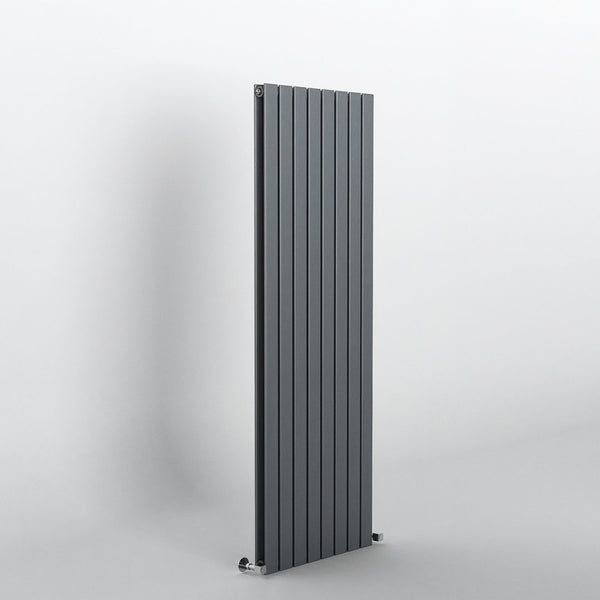
Height is the easy decision. 1800mm gives you the most output and the strongest visual statement; 1600mm suits lower ceilings, or rooms where you want a little breathing space above the radiator.
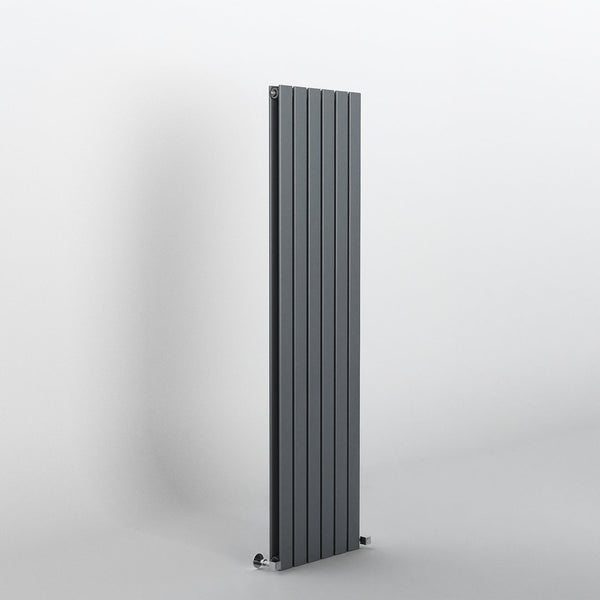
Width is where the heat comes from. A 590mm-wide vertical puts out considerably more than a 354mm one at the same height, so this is the dimension to get right rather than the one to squeeze. If your wall is genuinely narrow, a taller unit at a slim width will usually outperform a shorter, wider one.
Before you commit to either, work out your room's BTU requirement — it takes two minutes and it's the difference between a room that's comfortable and one that never quite gets there.
Flat or Oval?
Both styles run right through the vertical range, and the choice is purely visual.
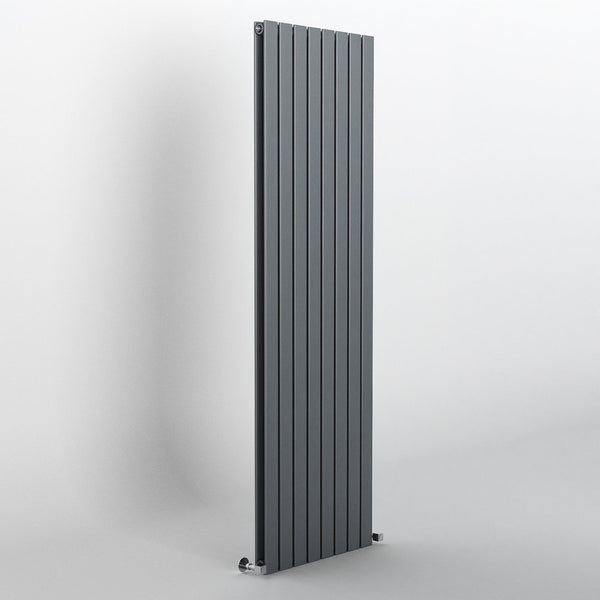
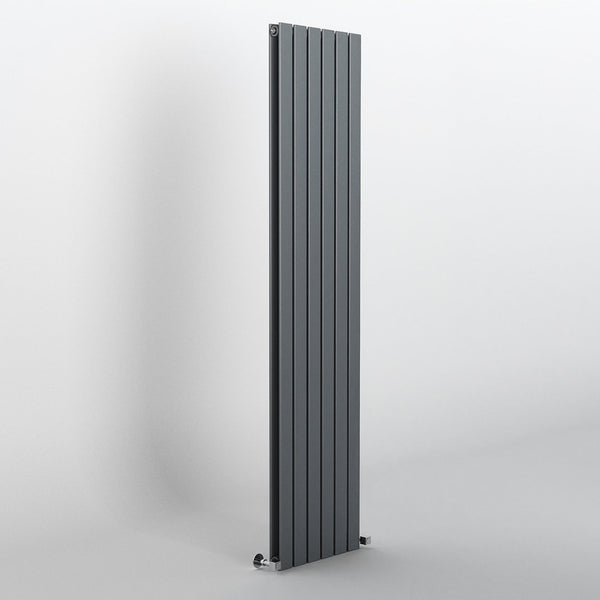
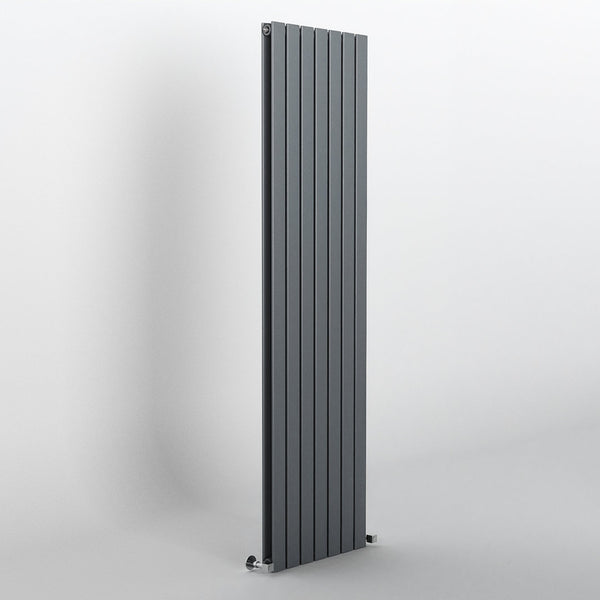
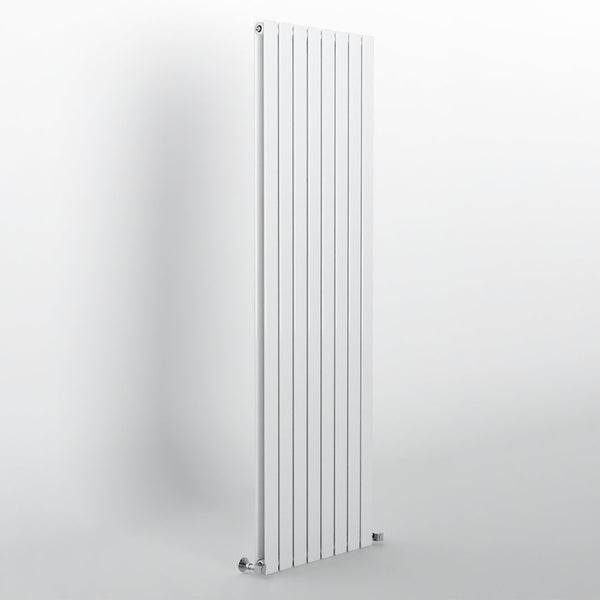
A flat panel gives you a smooth, uninterrupted face that sits close to the wall and wipes clean in a single pass — the quieter option, and the one that suits a minimal interior where you don't want anything competing for attention.
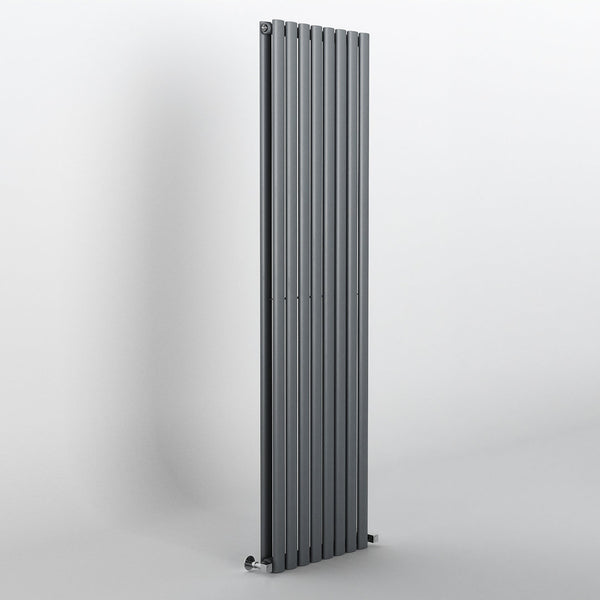
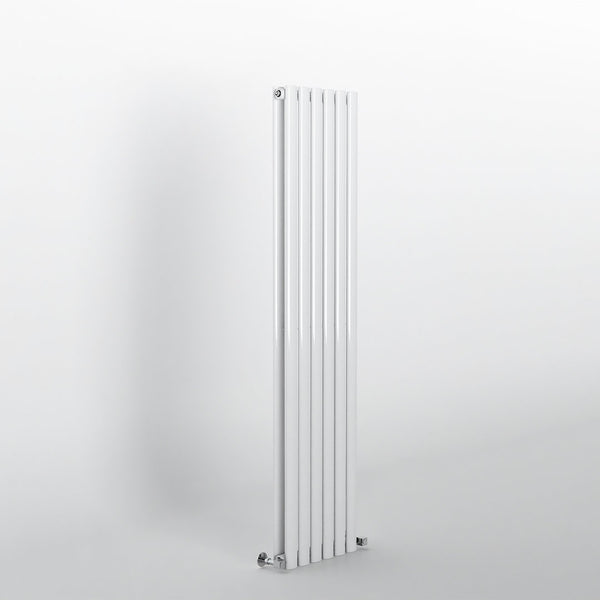
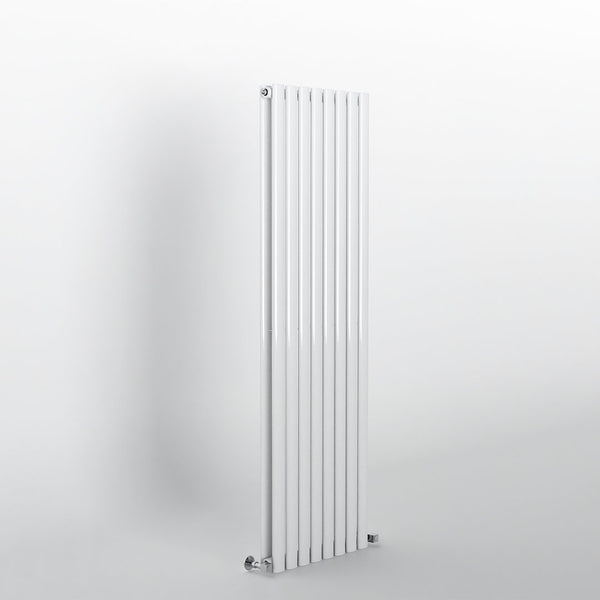
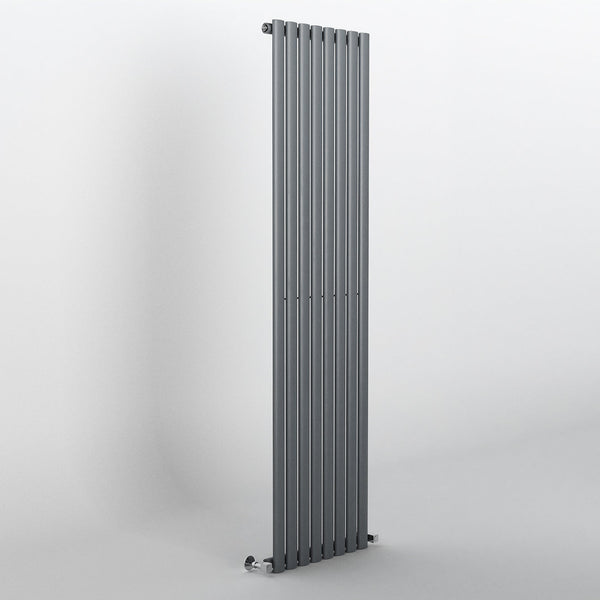
An oval panel uses rounded tubes that catch the light and add texture down the length of the radiator. On a tall vertical especially, that detailing has room to show itself — worth choosing when the radiator is going somewhere it'll actually be looked at.
Single or Double Panel?
Most of our verticals are double panel — two layers of heating surface, which means more output from the same footprint. For a living room or a main bedroom, that's usually the right call.
We also offer a single panel option in the oval anthracite range. It's slimmer, lighter and noticeably cheaper, which makes it a sensible pick for a hallway, a smaller room, or anywhere you're supplementing existing heat rather than warming a space from cold.
Anthracite or White?
On a vertical radiator this matters more than it does on a horizontal, simply because there's more of it on show at eye level.
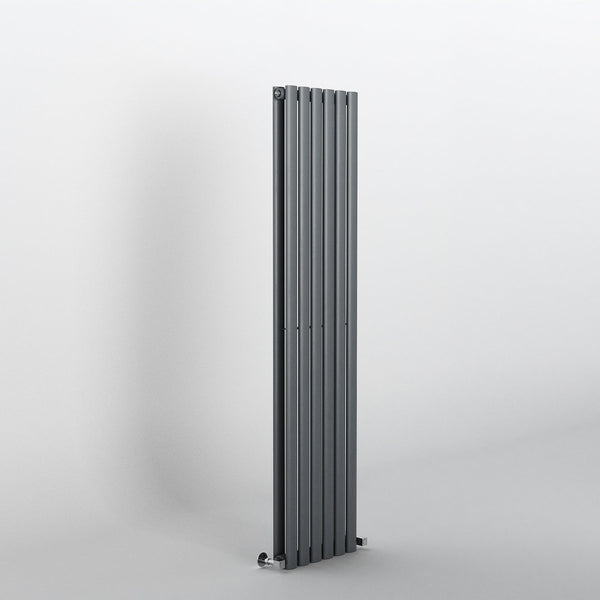
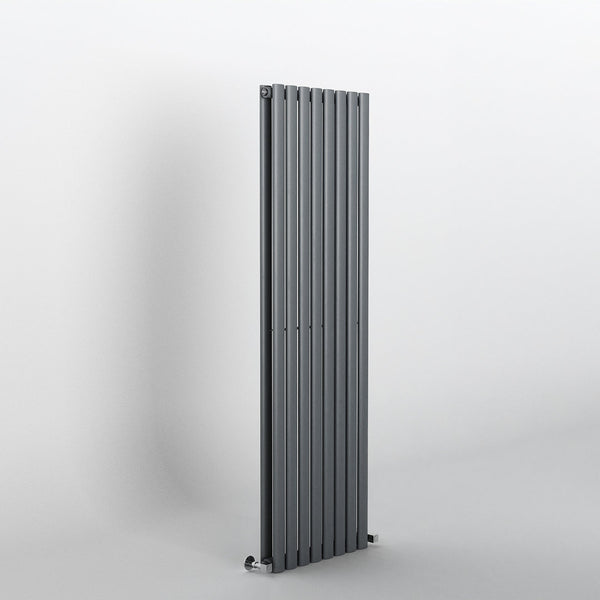
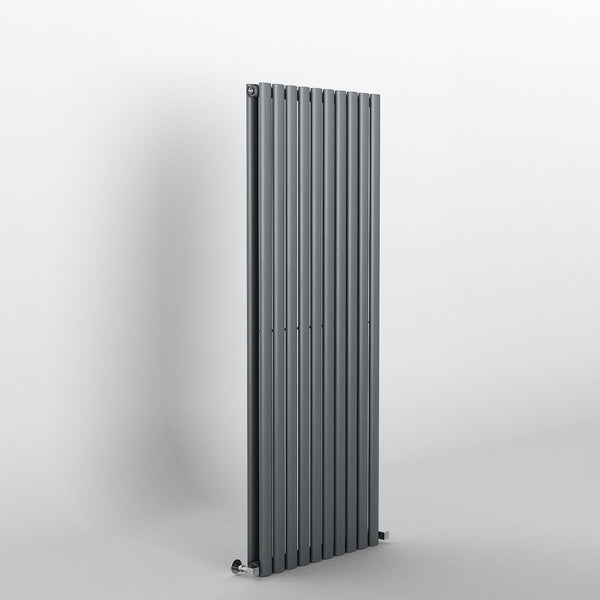
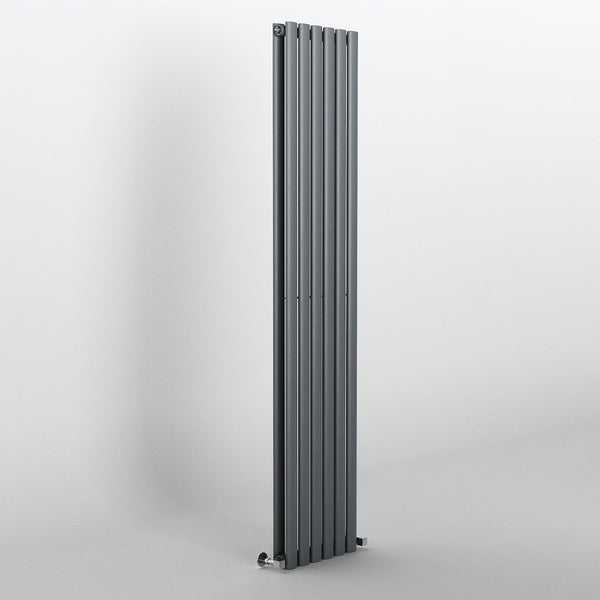
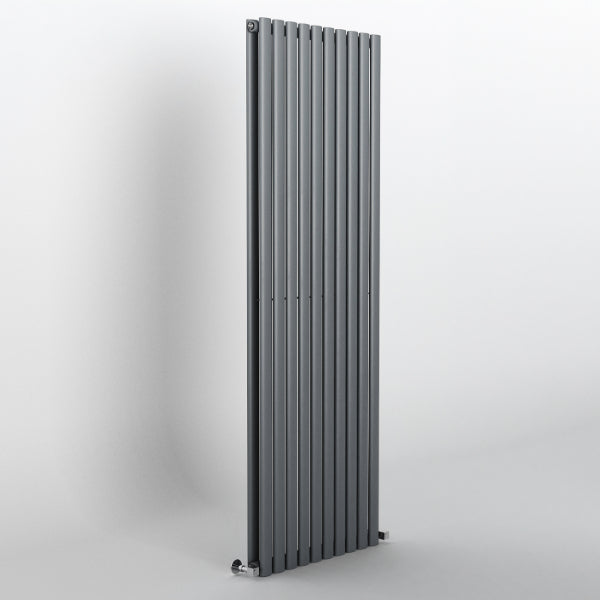
Anthracite is the contemporary default — a deep, warm grey that holds its own against darker walls and wood-tone kitchens, and forgives fingerprints and dust in a way white doesn't. If the radiator is meant to be noticed, this is the finish that does it.
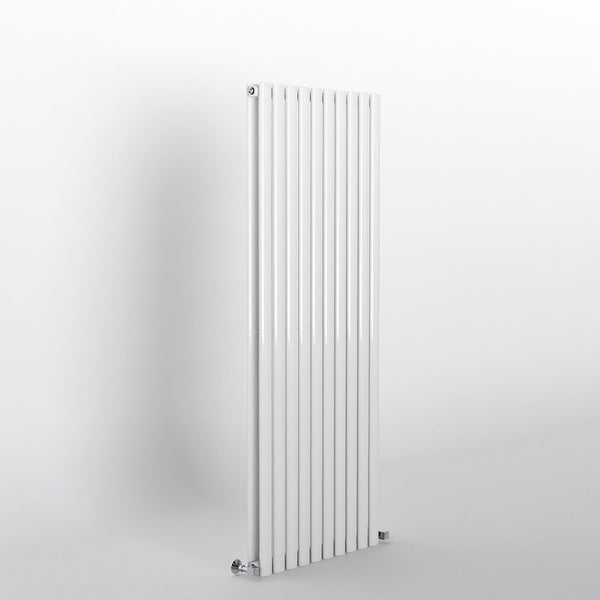
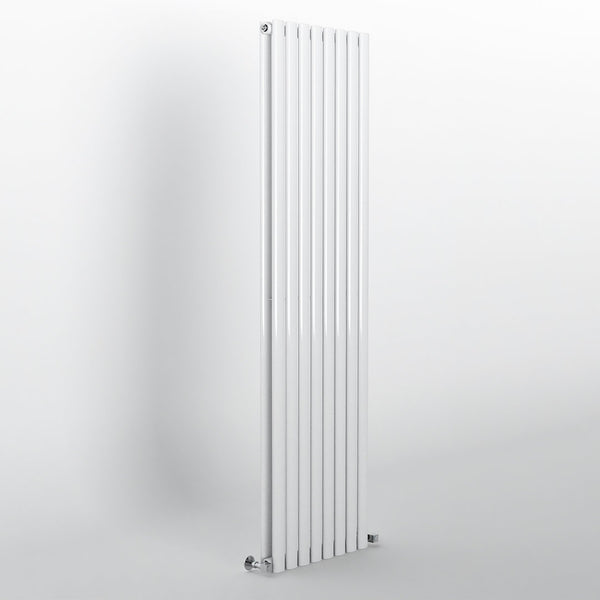
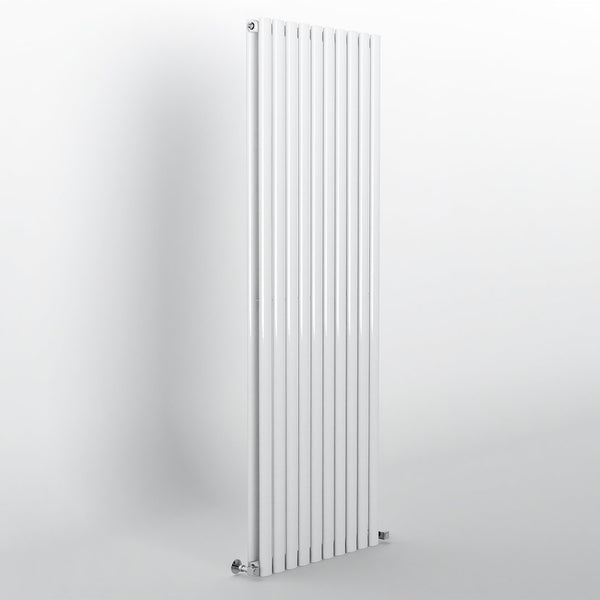
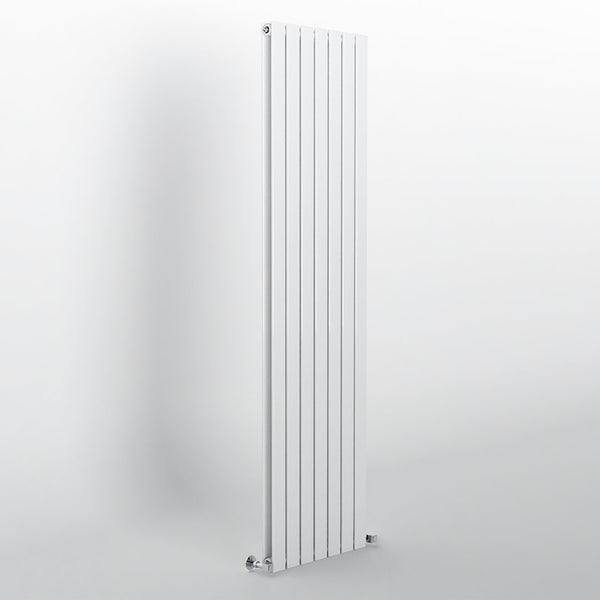
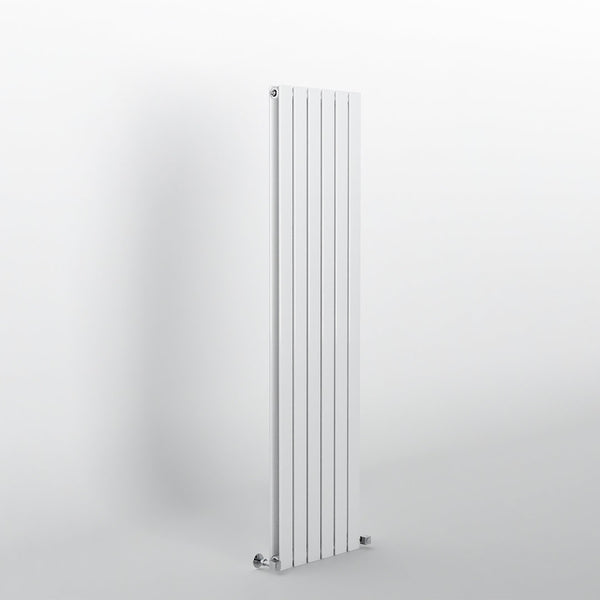
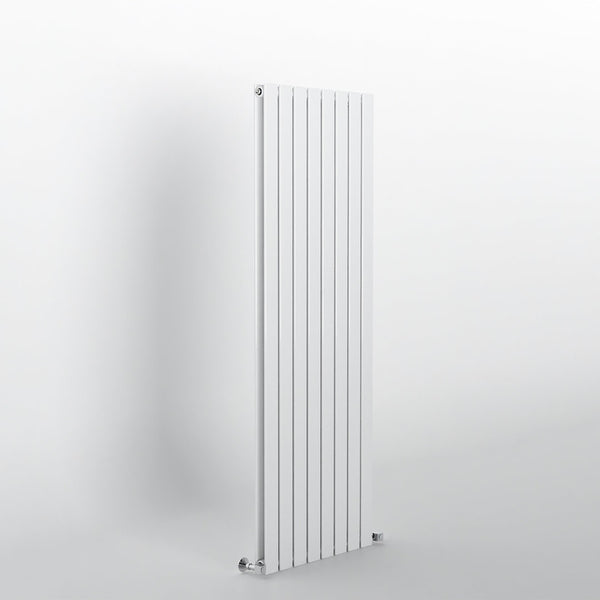
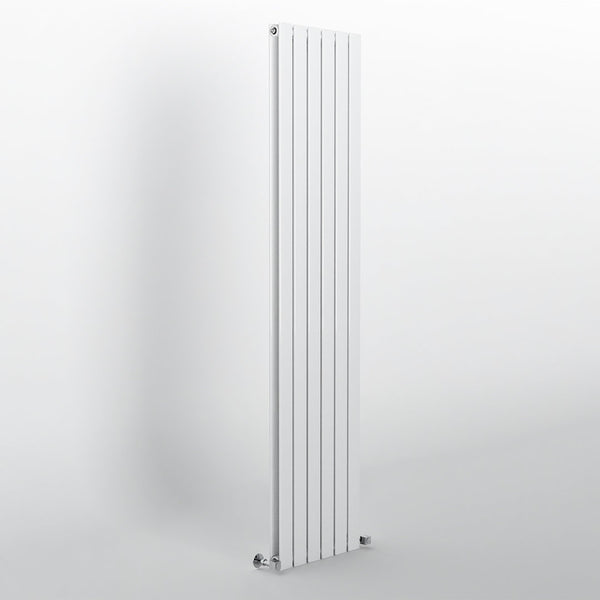
White takes the opposite approach: it disappears against a light wall, suits period rooms and traditional interiors, and lets a tall radiator take up wall space without dominating it.





 Free Delivery
 Free Delivery
 Free Delivery
 Free Delivery
 Free Delivery
 Free Delivery
 Free Delivery
 Free Delivery
 Free Delivery
 Free Delivery
 Free Delivery
 Free Delivery
 Free Delivery
 Free Delivery
 Free Delivery
 Free Delivery
 Free Delivery
 Free Delivery
 Free Delivery
 Free Delivery
 Free Delivery
 Free Delivery
