
Collection: Designer Radiators

Designer radiators are built to do two jobs at once: heat a room properly, and look like they belong in it. No more hiding a beige convector behind the sofa — these are radiators you put on the wall on purpose.

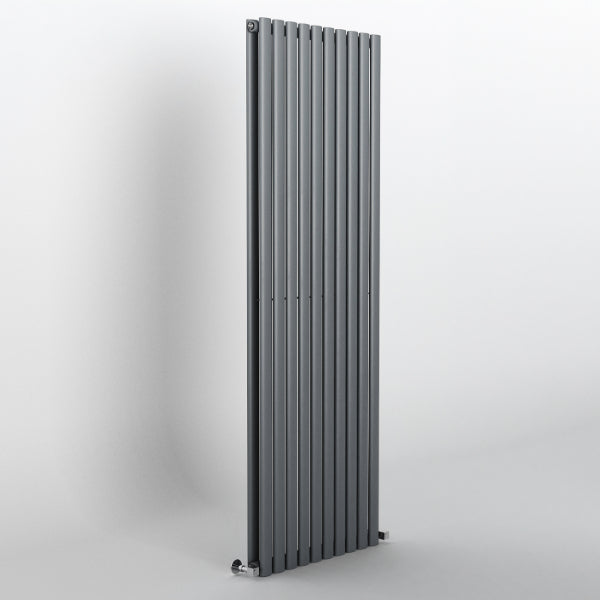
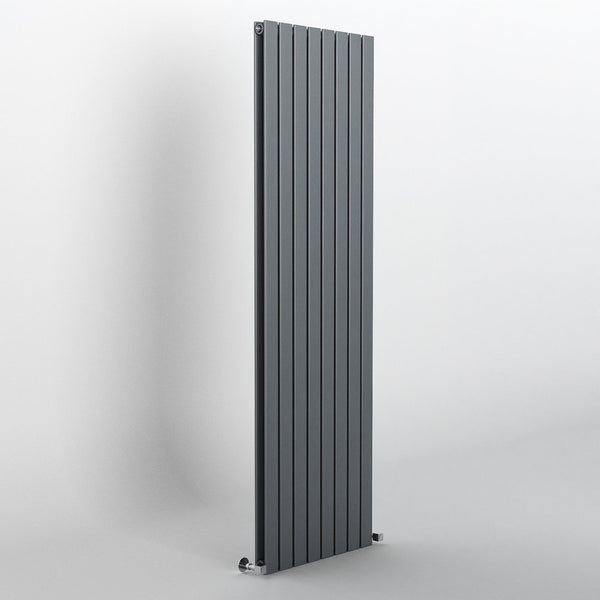
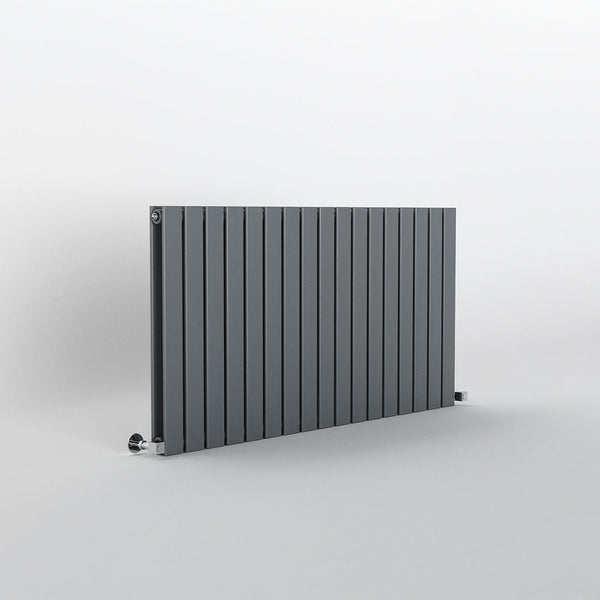
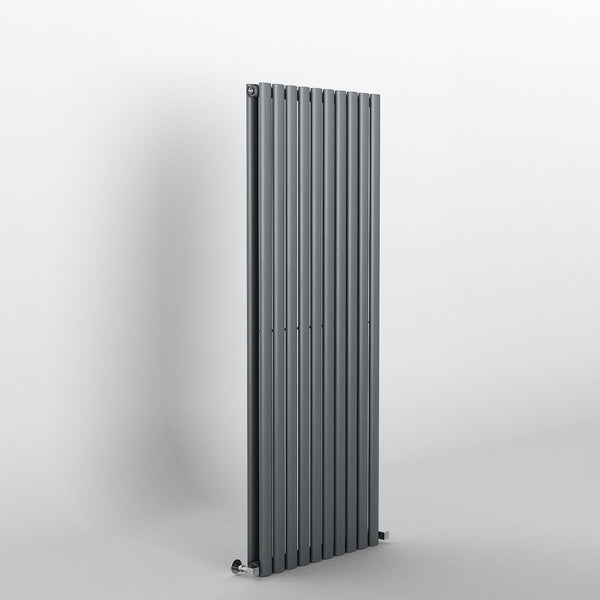
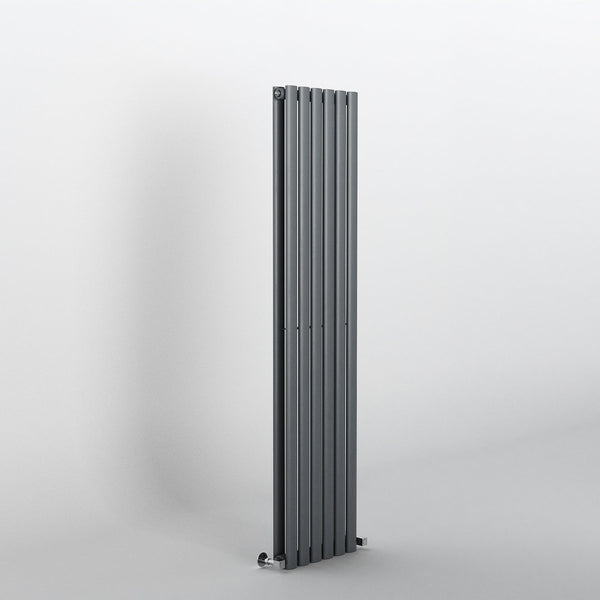
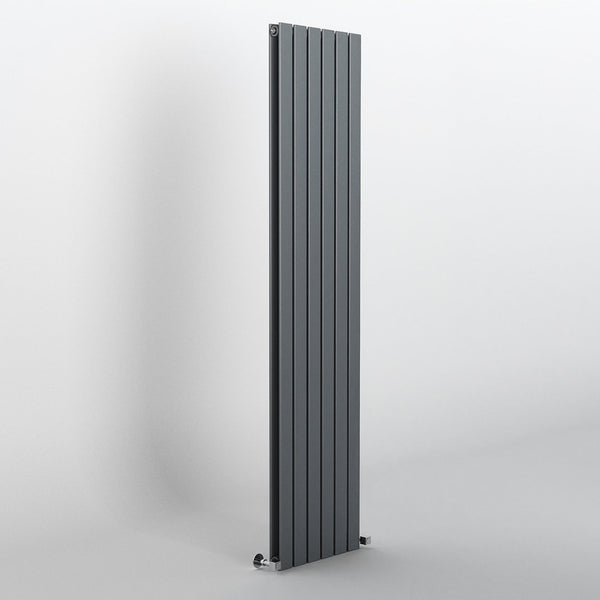
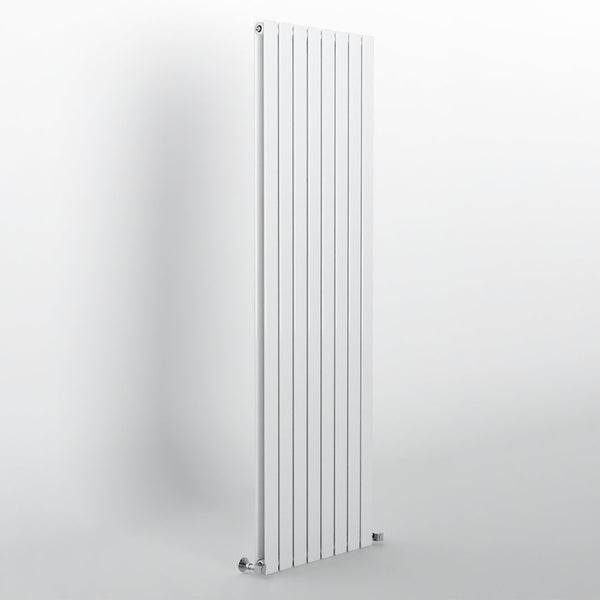
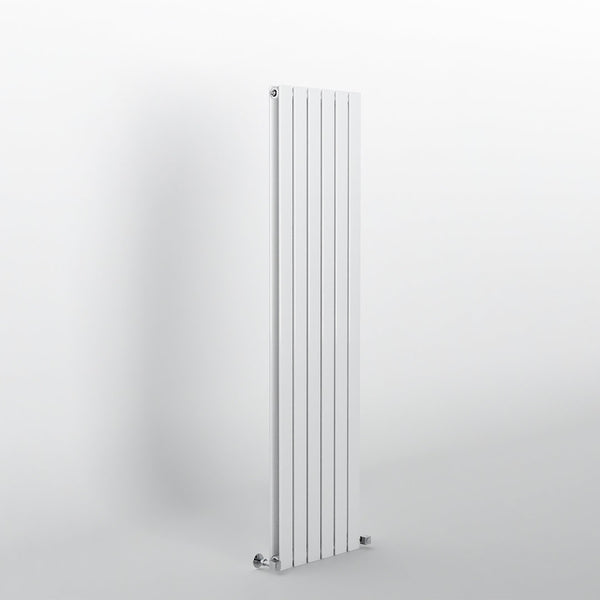
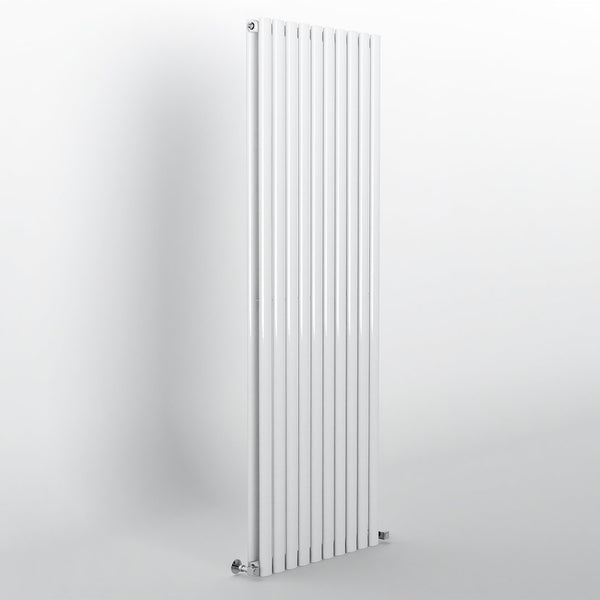
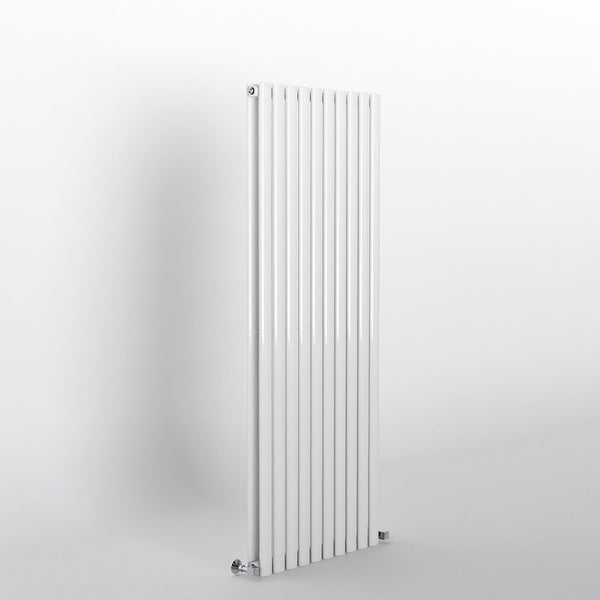
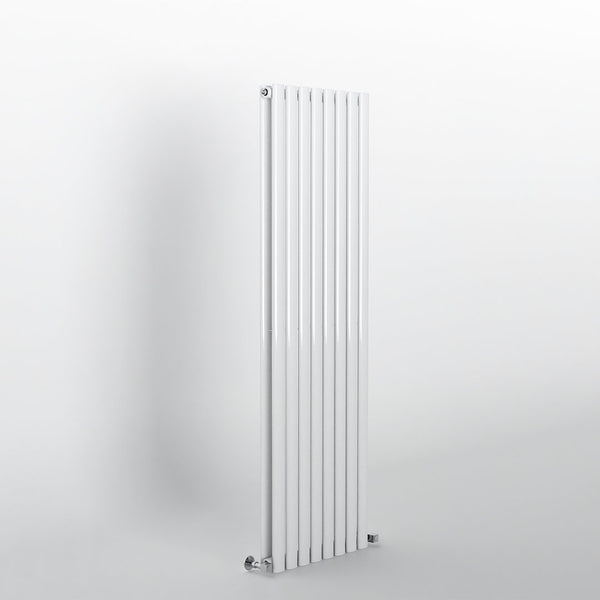
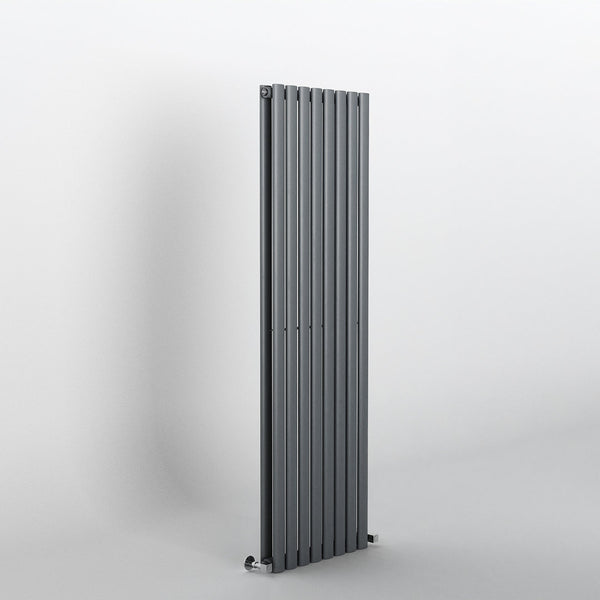
Our full range is here. Vertical and horizontal, flat panel and oval panel, anthracite and white, in single and double panel builds across 15 different widths. Every one is made from 1.6mm mild steel, backed by a 30-year warranty, and delivered free anywhere in the UK. Prices start at £107.

    What Makes a Radiator a "Designer" Radiator?

    Not much, technically — and that's rather the point. A designer radiator connects to the same central heating system, uses the same 1/2" BSP valve connections, and heats a room by the same physics as the radiator it replaces. What changes is everything you can see: the profile, the finish, the proportions, and whether the thing looks like an afterthought or a deliberate choice.

    The practical upshot is that you're not trading heat for looks. Output comes from surface area and panel construction, not styling. A well-sized designer radiator heats exactly as well as the standard one it replaced.

    Start With the Wall, Not the Radiator

    Most people come at this backwards — they fall for a radiator, then discover it doesn't fit. Measure the wall first, and the choice makes itself.

    If you've got width to play with — a clear run under a window, a long empty wall — then a horizontal designer radiator is the obvious fit. Ours sit at a standard 600mm height, which is deliberate: it's the height that tucks under a typical sill, and it usually means you can swap out an old radiator without a plumber touching the pipework.

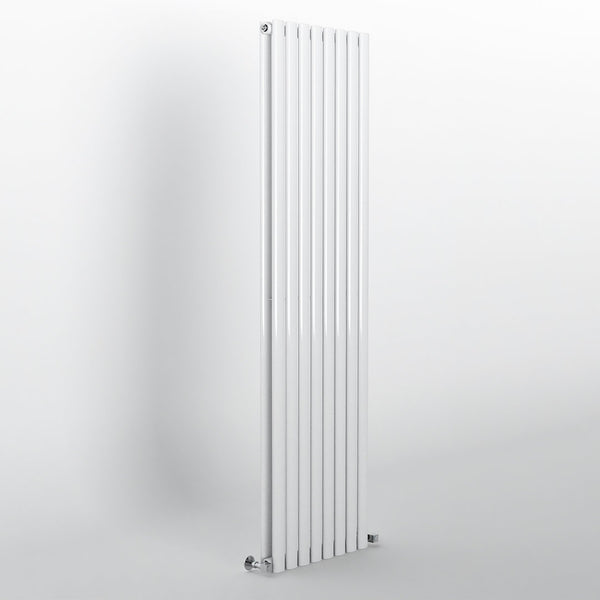
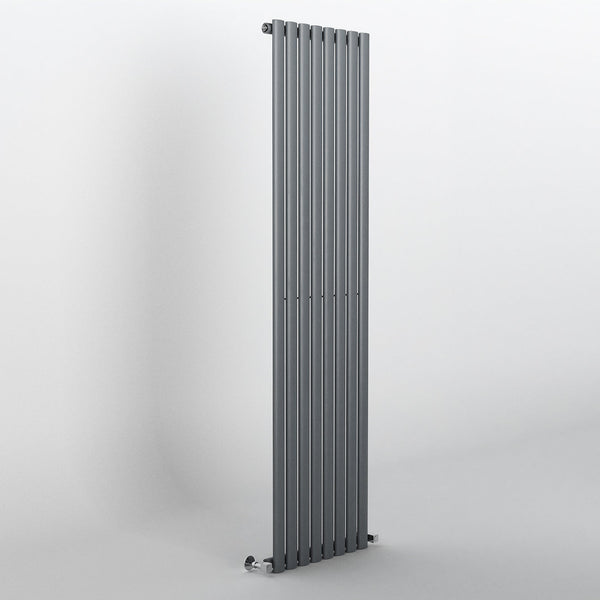
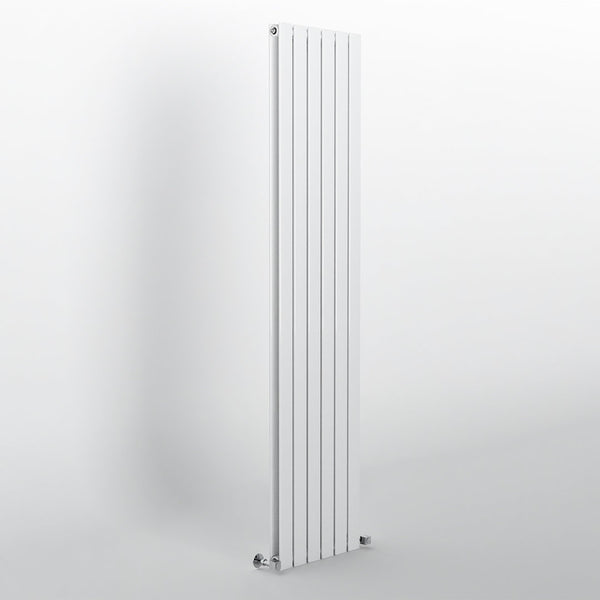
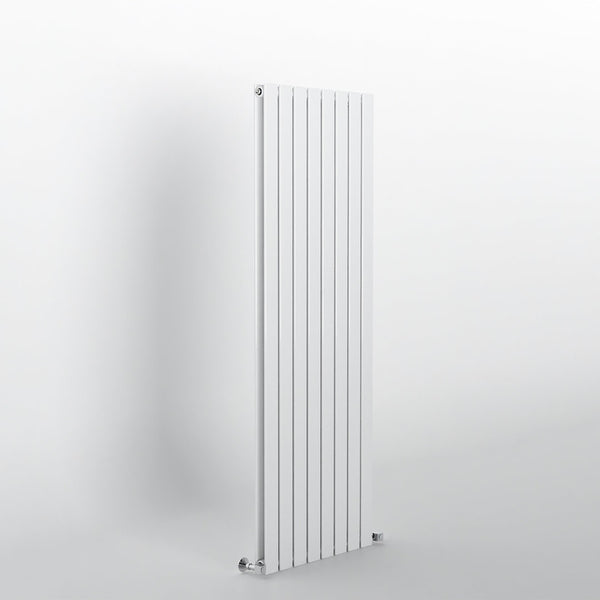
    If you haven't — and in most modern homes you haven't, because the walls are already taken by doors, windows, worktops and sofas — then you need height instead. That's where a vertical designer radiator earns its keep. An 1800mm tall unit at 408mm wide will heat a hallway that no horizontal radiator could ever have fitted into.

    Same heat. Different footprint. That's the whole decision.

    Then Pick a Face

    Once the shape is settled, the only thing left is how the front of it looks — and this genuinely is a matter of taste rather than performance.

    Go flat panel if you want the radiator to be quiet. Smooth, uninterrupted, sits close to the wall, wipes clean in one pass. It's the choice that disappears into a minimal interior rather than announcing itself.

    Go oval panel if you'd rather it earned some attention. The rounded tube detailing catches light differently across the day and gives the wall some texture — worth it in a room where the radiator is going to be seen rather than walked past.

    Anthracite or White?

    This is the question we get asked most, and the honest answer is that it depends on what your walls are doing.

    Anthracite has become the default for a reason — it's a deep, warm grey that sits beautifully against darker walls, grey kitchens and wood-tone floors, and it's forgiving about fingerprints and dust in a way white simply isn't. If you're renovating and the room is going contemporary, this is usually the one.

    White is the safer choice, and there's no shame in that. It disappears against a light wall, suits period rooms and traditional interiors, and won't fight with anything else in the space. If the radiator isn't meant to be the story, choose white.

    Single or Double Panel?

    A double panel has two layers of heating surface, which means considerably more heat from the same wall footprint. Most of our range is double panel, and for a main room it's usually the right call.

    The single panel option is slimmer, lighter and noticeably cheaper — the sensible pick for a smaller room, a hallway, or anywhere you're topping up existing heat rather than warming a space from cold.

    Getting the Size Right

    Here's where people go wrong, and it costs them.

    Heat requirement is measured in BTU, and it isn't really about the radiator at all — it's about the room. Volume, insulation, how much glass is in the walls, how many of those walls face outside. Two rooms with identical floor plans can need wildly different outputs.

    Undersize it and the room never quite gets there on a cold February morning. Oversize it and you've spent money for heat you'll immediately turn down. Neither is a disaster, but both are avoidable.

    Take two minutes and work out your room's BTU before you choose — then use the width filter above to find something that meets it. If you'd rather just ask someone, call us on 0333 772 3548 and we'll size it with you.

    Why Buy From Us?

    Because designer radiators are all we do. We don't sell boilers, pipework or general plumbing, and that focus is exactly why we can price them the way we do — no showroom, no overheads, no markup to cover a shop floor you're never going to visit.

    Every radiator carries a 30-year warranty, ships free anywhere in the UK within 3–7 working days, and comes with a price-beat guarantee: find the same radiator cheaper and we'll match it.

    Designer Radiator FAQs

    Do designer radiators heat as well as standard radiators?

    Yes. Heat output depends on surface area and panel construction, not on how the radiator looks. A correctly sized designer radiator heats a room exactly as well as the convector it replaces.

    Can I replace my existing radiator with a designer one?

    Usually, yes. Our radiators use standard 1/2" BSP connections and work with normal UK central heating. Swapping like-for-like horizontally, the existing pipework will often do. Going from horizontal to vertical normally needs the pipes adjusting — routine work for a plumber, but worth budgeting for.

    How much do designer radiators cost?

    Ours run from £107 to around £231, depending on size and panel type. Designer used to mean expensive; buying direct changes that.

    Are designer radiators worth it?

    If you're replacing a radiator anyway, the gap between a standard convector and a designer panel is smaller than most people expect — and you'll be looking at it every day for the next twenty years. The case is weaker if your current radiator is perfectly fine and hidden behind a sofa.

    What sizes do you offer?

    Verticals come in 1800mm and 1600mm heights, in widths from 354mm to 590mm. Horizontals are a standard 600mm high, in widths from 748mm to 1593mm.

    Do designer radiators need special valves?

    No — they take standard radiator valves. That said, plenty of people upgrade to matching anthracite or chrome valves rather than the default white, on the reasonable grounds that the radiator is now something you're meant to look at.